Edgar Allan Poe Poetry
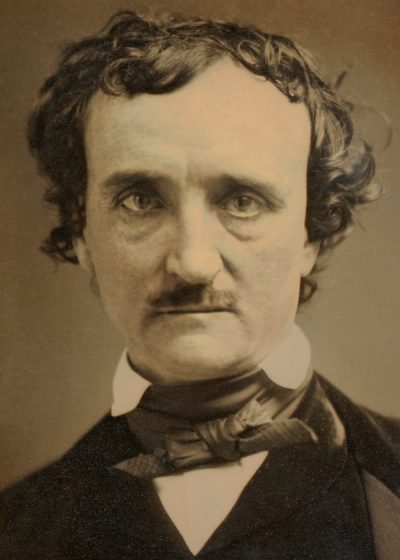
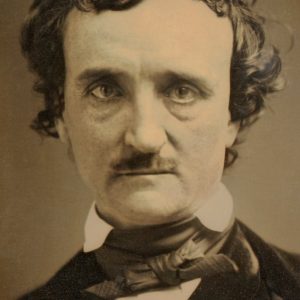
Daguerreotype of Edgar Allan Poe, known as the “Annie” Daguerreotype
Individual Edgar Allan Poe Poems
An Acrostic Elizabeth Poem (1829)
Al Aaraaf Poem (1829)
Alone Poem (1829)
Annabel Lee Poem (1849)
The Bells Poem (1848)
Beloved Physician Poem (1847)
Bridal Ballad Poem (1837)
The City in the Sea Poem (1831) : The Doomed City Poem (early version)
The Coliseum Poem (1833)
The Conqueror Worm Poem (1843)
Deep in Earth (Poem Snippet) (1847) : Deep in earth my love is lying And I must weep alone
The Divine Right of Kings Poem (1845)
A Dream Poem (1827)
A Dream within a Dream Poem (1849)
Dreamland Poem (1844)
Dreams Poem (1827)
Eldorado Poem (1849)
An Acrostic Elizabeth Poem (1829)
Enigma Poem (1833)
An Enigma Poem (1848)
Epigram for Wall Street Poem (1845)
Eulalie—A Song Poem (1843)
Evangeline Poem (1848)
Evening Star Poem (1827)
Fairy-land Poem (1829)
Fanny Poem (1833)
For Annie Poem (1849)
The Forest Reverie Poem
The Happiest Day, the Happiest Hour Poem (1827)
The Haunted Palace Poem (1839)
Catholic Hymn Poem (1833)
Hymn to Aristogeiton and Harmodius Poem (1827)
Imitation Poem (1827)
Impromptu To Kate Carol Poem (1845)
Israfel Poem (1831)
The Lake—To—— Poem (1827)
Lenore Poem (1843)
Lines on Ale Poem (1848)
O, Tempora! O, Mores! Poem (1825?)
A Pæan Poem (1831)
Poetry Poem (1824)
The Raven Poem (1845)
Romance Poem (1829)
Serenade Poem (1833)
Sonnet—Silence Poem (1839)
The Sleeper Poem (1831)
Poem Song I saw thee on thy bridal day (1827)
Sonnet—to Science Poem (1829)
Sonnet—To Zante Poem (1837)
Spirits of the Dead Poem (1827)
Spiritual Song Poem (1836)
Stanzas Poem (1827 and 1845 versions)
Tamerlane Poem (1827 and 1845 versions)
Poem To —— The bowers whereat, in dreams, I see (1829)
To —— Poem (1833)
To M.—— O! I care not that my earthly lot Poem (1828)
To F—— Poem (1835)
To Mrs. Frances Sargent Osgood Poem (1833)
To Helen Poem (1831)
To Helen I Saw Thee Once Poem (1848)
To Isaac Lea Poem (1829)
To Isadore Poem
To Mrs. Marie L Shew—— Poem (1847)
To Margaret Poem (1827)
To Mrs. Marie Louise Shew Poem (1847)
To Miss Louise Olivia Hunter (1827)
To my Mother Poem (1849)
To Octavia Poem (1827)
To One in Paradise Poem (1833)
To the River—— Poem (1828)
Ulalume Poem (1847)
A Valentine Poem (1846)
The Valley of Unrest Poem (1831) : The Valley Nis Poem (original version)
The Village Street Poem